
pharmacy
According to the Pharmacy Directory of Dhaulagiri Hospital, it started its official operations from the date of 2073/08/15. Initially, the pharmacy was run by two employees, and from the year 2074 B.S. (starting from the month of Baisakh), the pharmacy extended its services to all the staff members. Later, from the date of 2074/07/01, the pharmacy began providing services 24 hours a day with an increased number of employees, reaching a total of seven staff members. In this branch, the monthly average business turnover is around NPR 38,000,000, with a 10% charge for paying customers and 90% service provided free of charge.
The pharmacy is a healthcare service that involves the selection, storage, compounding, and distribution of medicines and medical equipment. It advises and ensures the safety and effectiveness of medicines for patients, doctors, nurses, and other healthcare workers. Due to geographical challenges, it is necessary to simplify the process of procuring life-saving medicines. The pharmacy maintains the Good Manufacturing Practice (GMP) Certification. Only the medicines approved by the World Health Organization can be sold and distributed by the hospital pharmacy. Medicines need to be stored in cool and dry places to protect them from temperature and humidity. Various medications such as tablets, capsules, syrups, and gels need to be stored at a temperature of 25 degrees Celsius. Medications like insulin and vaccines should be refrigerated at temperatures ranging from 2 to 8 degrees Celsius.
Categorization:
In Nepal, the pharmacy is divided into three categories: Group A, Group B, and Group C. Dhaulagiri Hospital falls under Group A.
Under Group A:
Narcotic and psychotropic drugs are included.
Antimicrobial and hormonal drugs are included under Group B.
OTC (Over-the-Counter) drugs, antihistamines, and vitamins are included under Group C.
Narcotic and psychotropic drugs require a prescription from registered doctors, and their distribution and consultation require the presence of a pharmacist. The pharmacy branch of this hospital offers a total of 802 types of medications, including:
-
Gastrointestinal drugs: 44
-
Antimicrobial drugs: 121
-
Dialysis-related drugs: 7
-
Cardiovascular drugs: 81
-
Diabetes-related drugs: 32
-
Inhaler drugs: 16
-
Respiratory drugs: 42
-
Endocrinology drugs: 16
-
Central Nervous System (CNS) drugs: 60
-
Steroids: 18
-
NSAIDs (Non-Steroidal Anti-Inflammatory Drugs): 55
-
Anesthesia drugs: 31
-
Vaccines, Dermatology, ENT (Ear, Nose, Throat) drugs: 94
-
Nutritional and vitamin drugs: 18
-
Liquid substances: 16
-
Surgical supplies: 146
 Santosh Subedi
 Susmita Baral
 Prasamsa Sharma
 Nirmala Devi Sharma
 Dipendra Pun
 Anil Siris
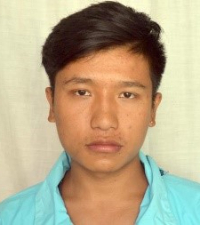 Prashanta Gharti Magar
 Anil Pariyar
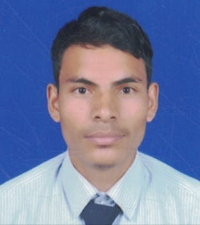 Indra Bahadur Oli
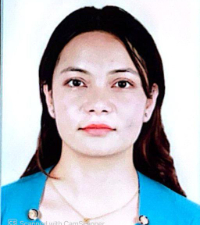 Sushma Pantha
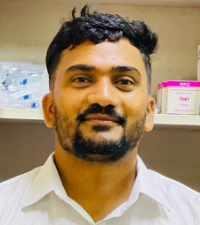 Sujan Pariyar